Posted on January 25, 2018 by Timo -
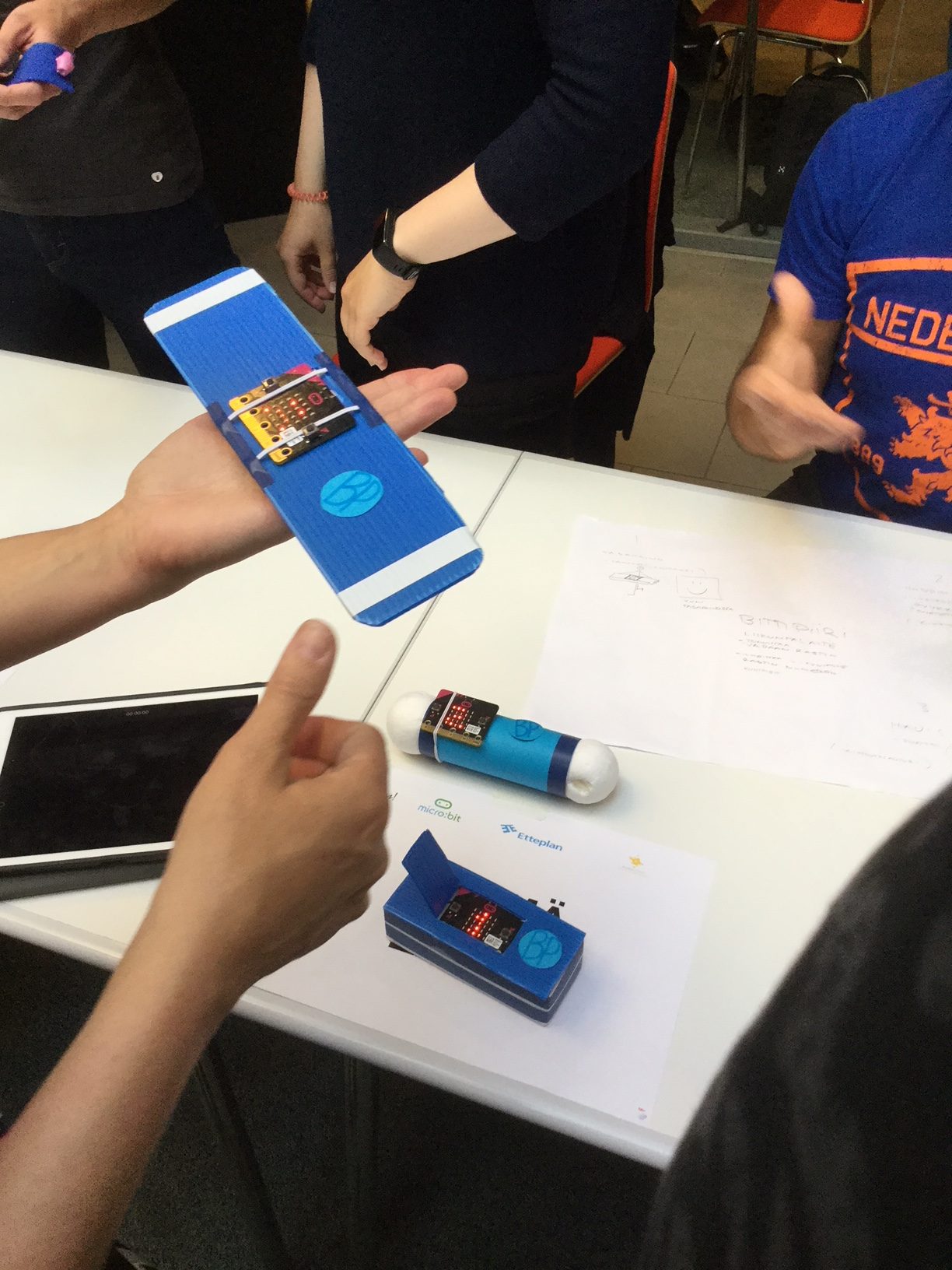
Use this 12-part material series to get to know Micro:bit in teaching programming and robotics. The series guides you through basic Micro:bit use and in the learning of basic programming and robotics concepts.
Use this task card to teach how to use the compass sensor built into Micro:bit.
Micro:bit Build a Compass
Posted on January 25, 2018 by Timo -
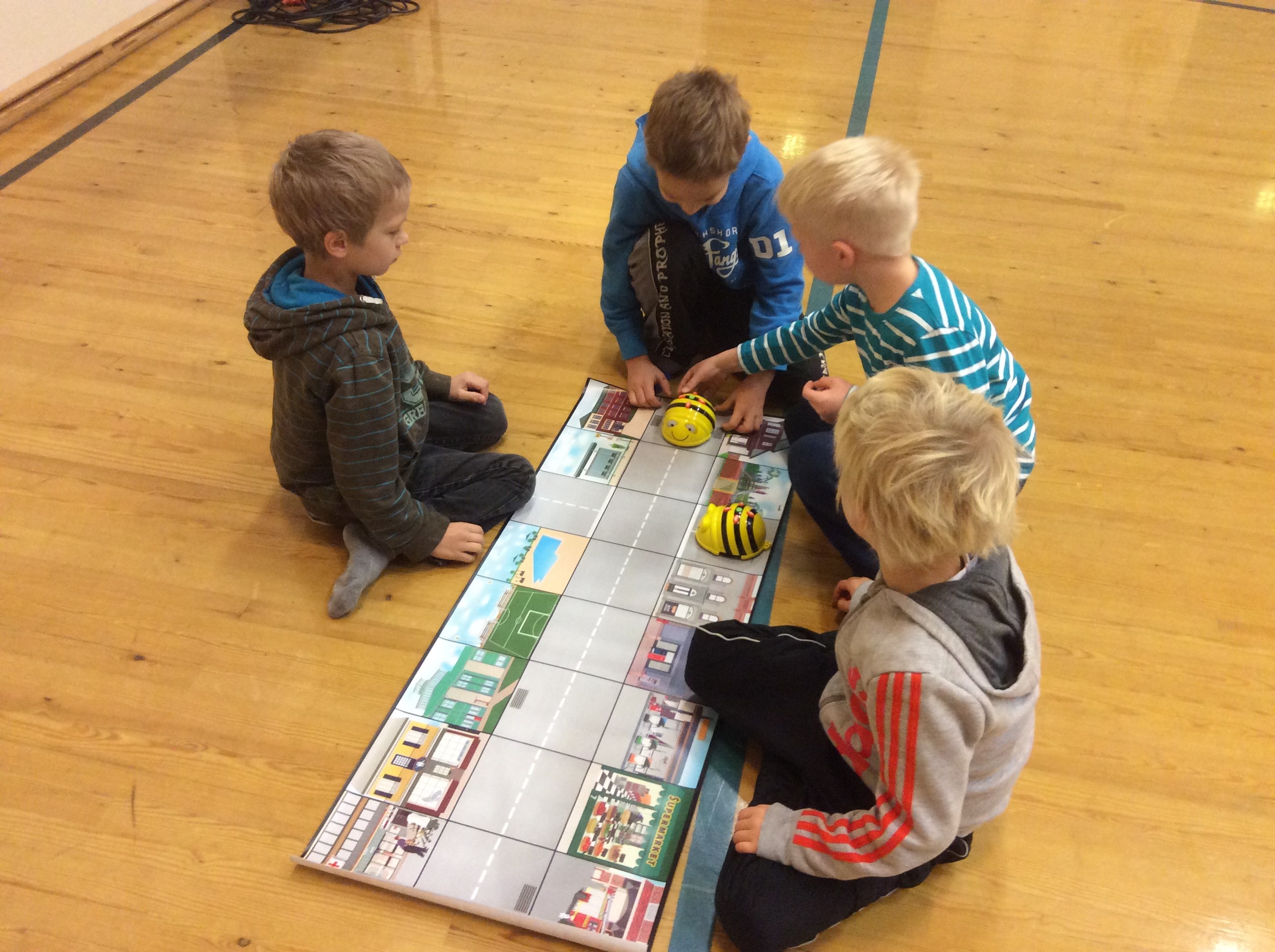
Through play, children practice logical thinking skills already during their first year. The step from an everyday led play to simple programming with robots is small enough to keep the children motivated.
Logical thinking and programming (in Swedish)
Posted on January 25, 2018 by Timo -
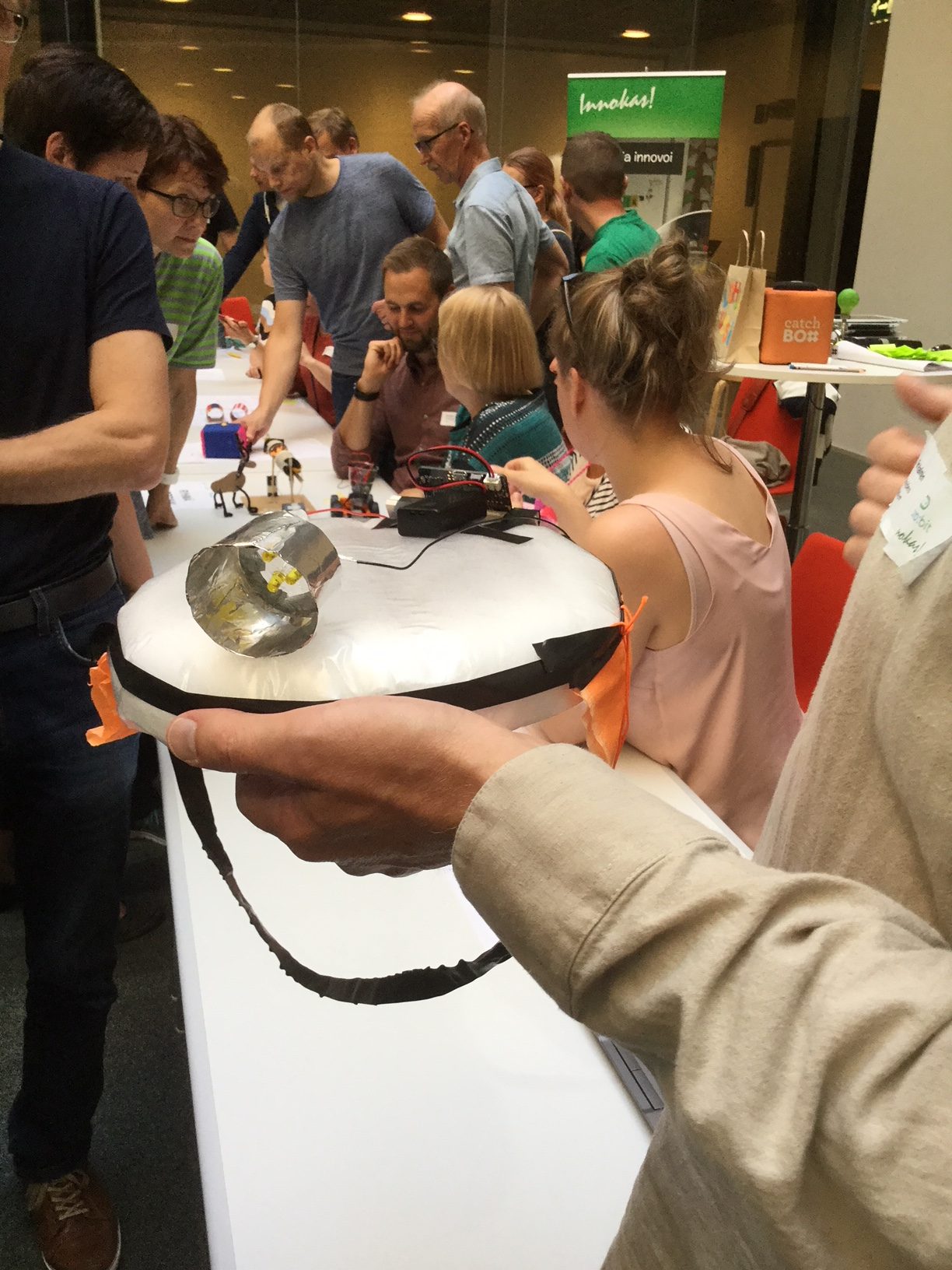
Use this 12-part material series to get to know Micro:bit in teaching programming and robotics. The series guides you through basic Micro:bit use and in the learning of basic programming and robotics concepts.
Use this task card to practice connecting a LED, a buzzer and a motor to Micro:bit.
Micro:bit Connecting Hardware
Posted on January 25, 2018 by Timo -
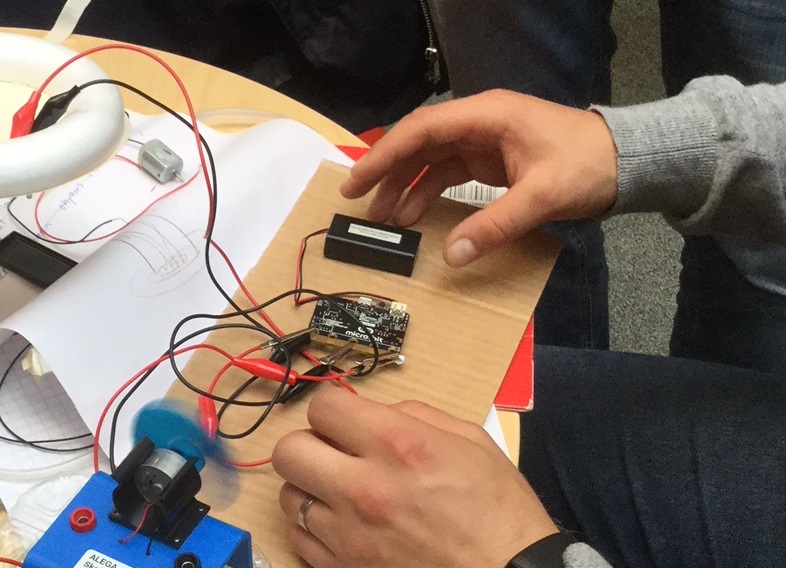
Use this 12-part material series to get to know Micro:bit in teaching programming and robotics. The series guides you through basic Micro:bit use and in the learning of basic programming and robotics concepts.
Use this task card to teach how to input and output information through Micro:bit’s pins.
Micro:bit Use the Pins
Posted on January 25, 2018 by Timo -
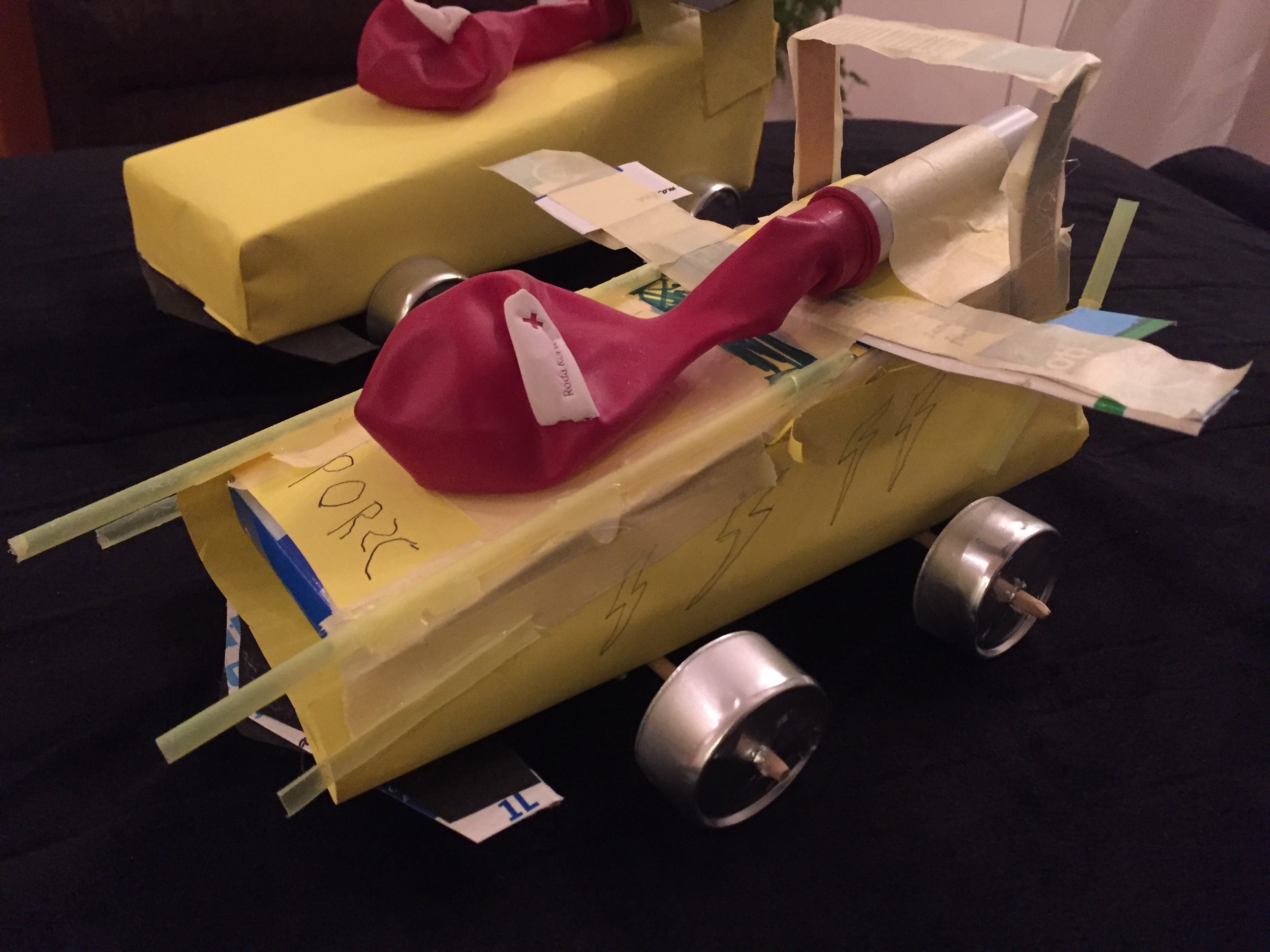
Wheeled vehicles never cease to fascinate children. This material presents a group activity around wheels where children also present their own wheeled vehicle builds.
Fun on wheels! (in Swedish)
Posted on January 25, 2018 by Timo -
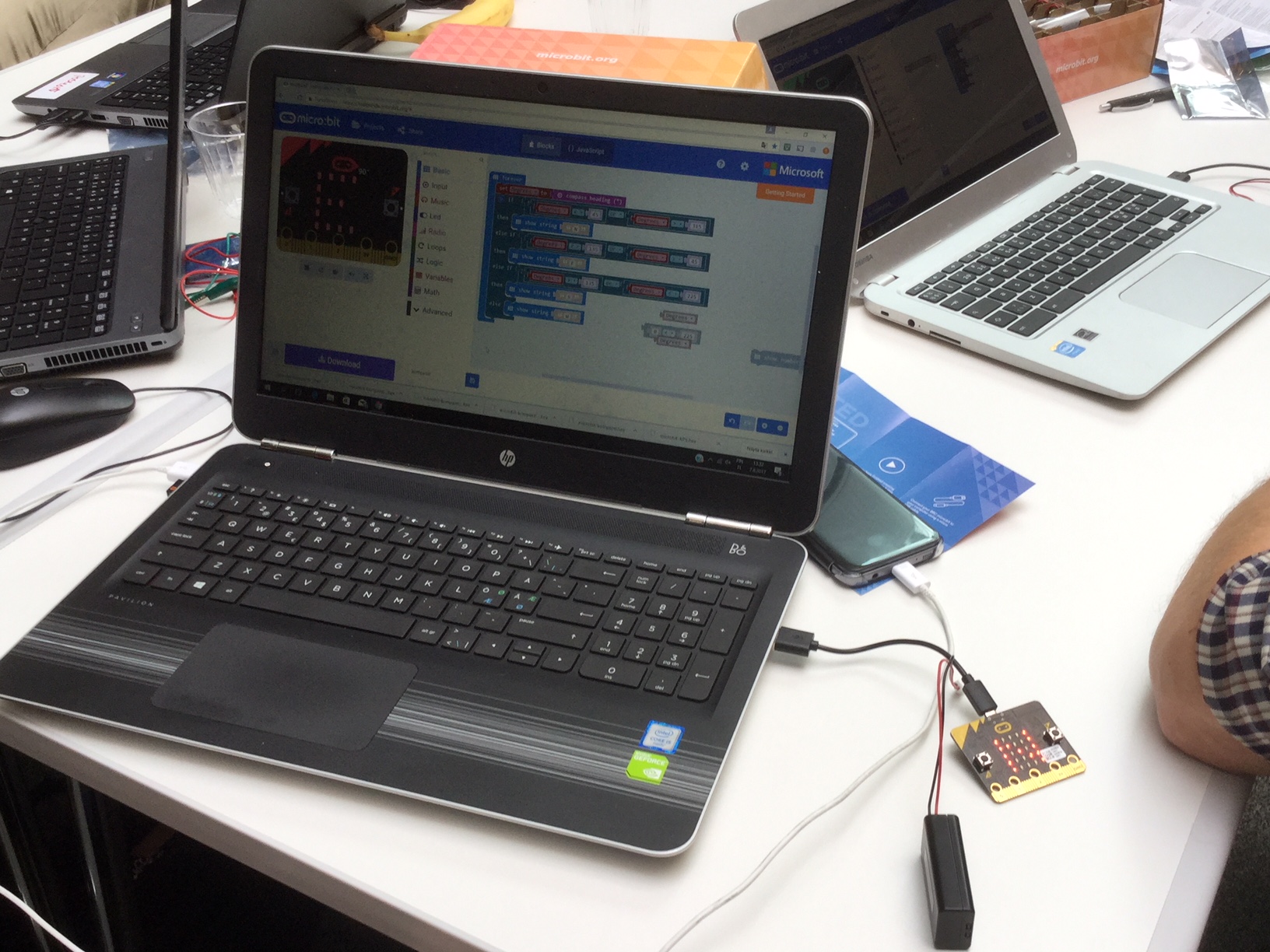
Use this 12-part material series to get to know Micro:bit in teaching programming and robotics. The series guides you through basic Micro:bit use and in the learning of basic programming and robotics concepts.
Use this task card to practice connecting switches to Micro:bit.
The Micro:bit Switch
Posted on January 25, 2018 by Timo -
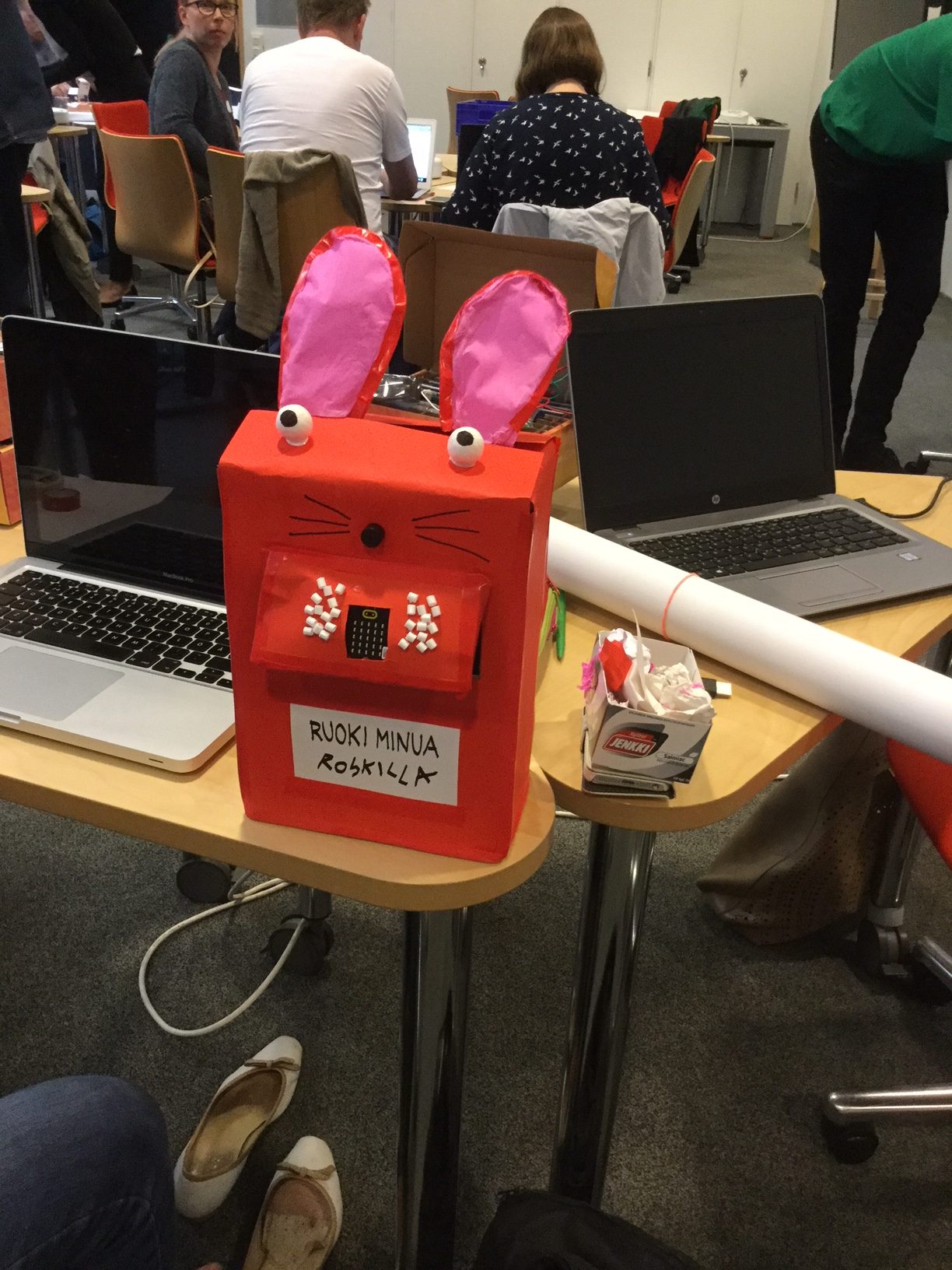
Use this 12-part material series to get to know Micro:bit in teaching programming and robotics. The series guides you through basic Micro:bit use and in the learning of basic programming and robotics concepts.
Use this task card to practice connecting a servo motor to Micro:bit.
Micro:bit Servo Motor
Posted on January 25, 2018 by Timo -
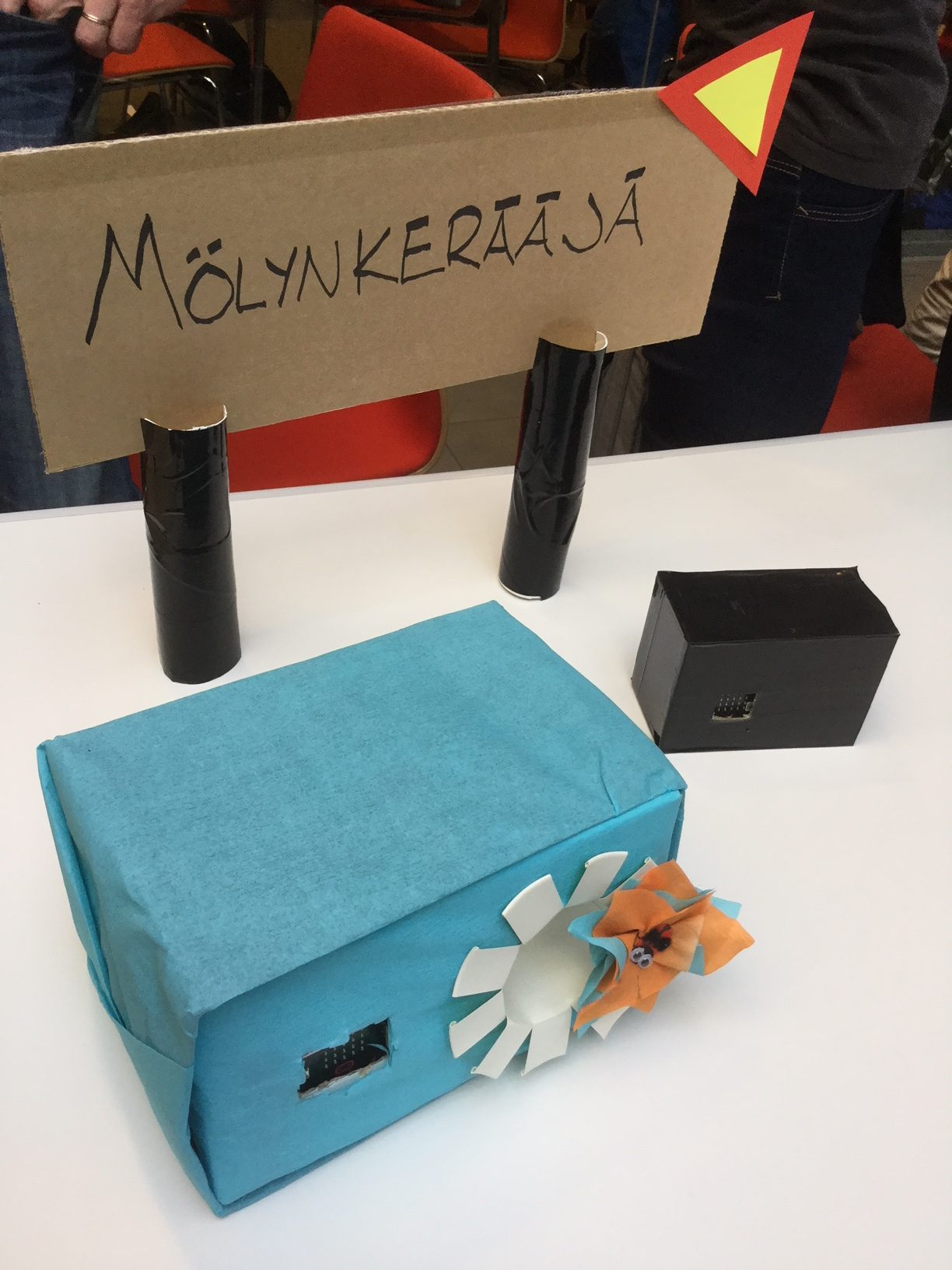
Use this 12-part material series to get to know Micro:bit in teaching programming and robotics. The series guides you through basic Micro:bit use and in the learning of basic programming and robotics concepts.
Use this task card to teach how to connect a speaker, earphones and a buzzer to Micro:bit.
Micro:bit Audio
Posted on January 25, 2018 by Timo -
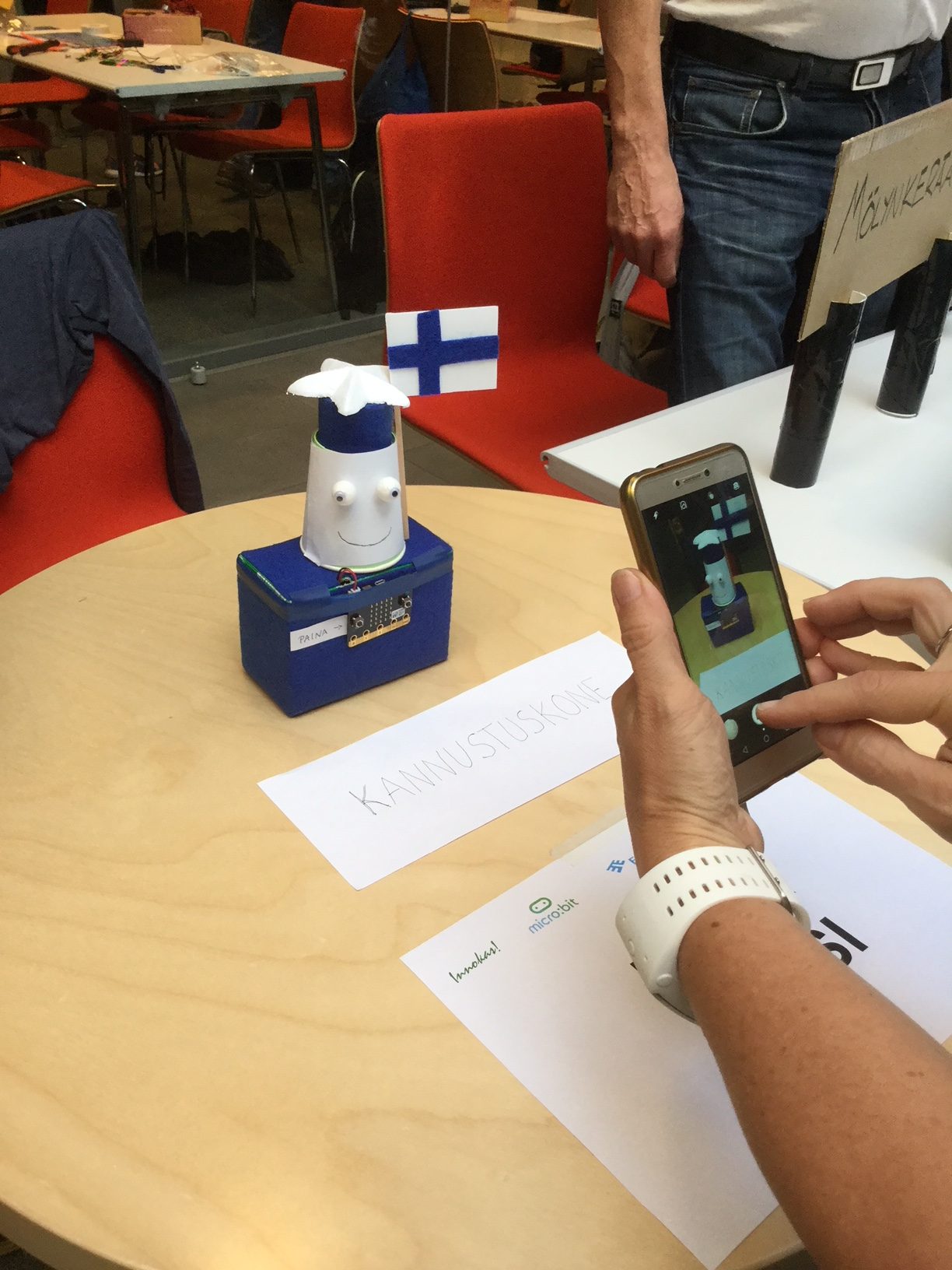
Use this 12-part material series to get to know Micro:bit in teaching programming and robotics. The series guides you through basic Micro:bit use and in the learning of basic programming and robotics concepts.
Use this task card to teach how to connect Micro:bit boards using radio programming blocks.
Connecting Micro:bit using Radio
Posted on January 25, 2018 by Timo -
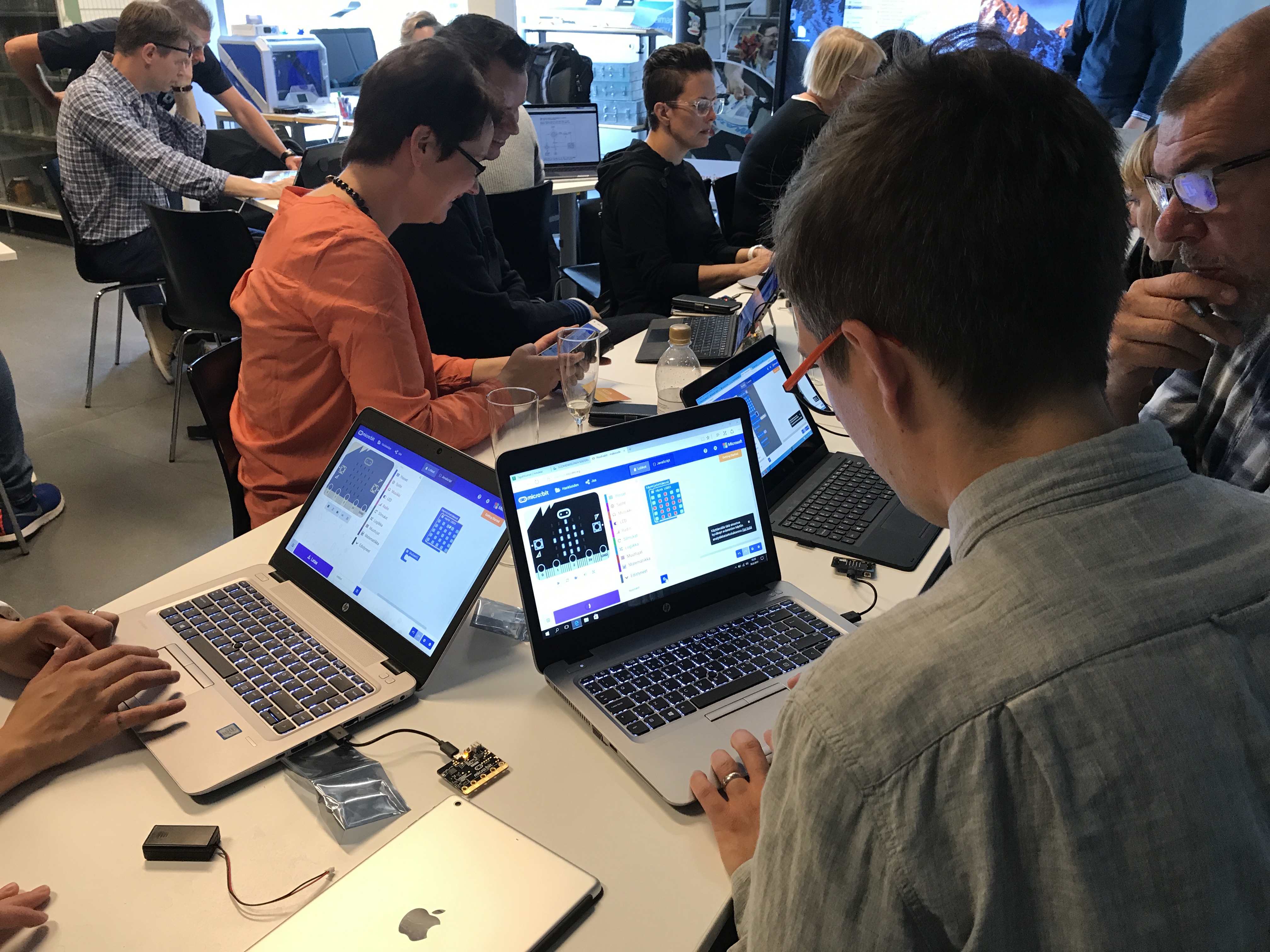
Use this 12-part material series to get to know Micro:bit in teaching programming and robotics. The series guides you through basic Micro:bit use and in the learning of basic programming and robotics concepts.
Use this task card to teach how to read and compare sensor readings using Micro:bit.
Micro:bit Reading Sensor