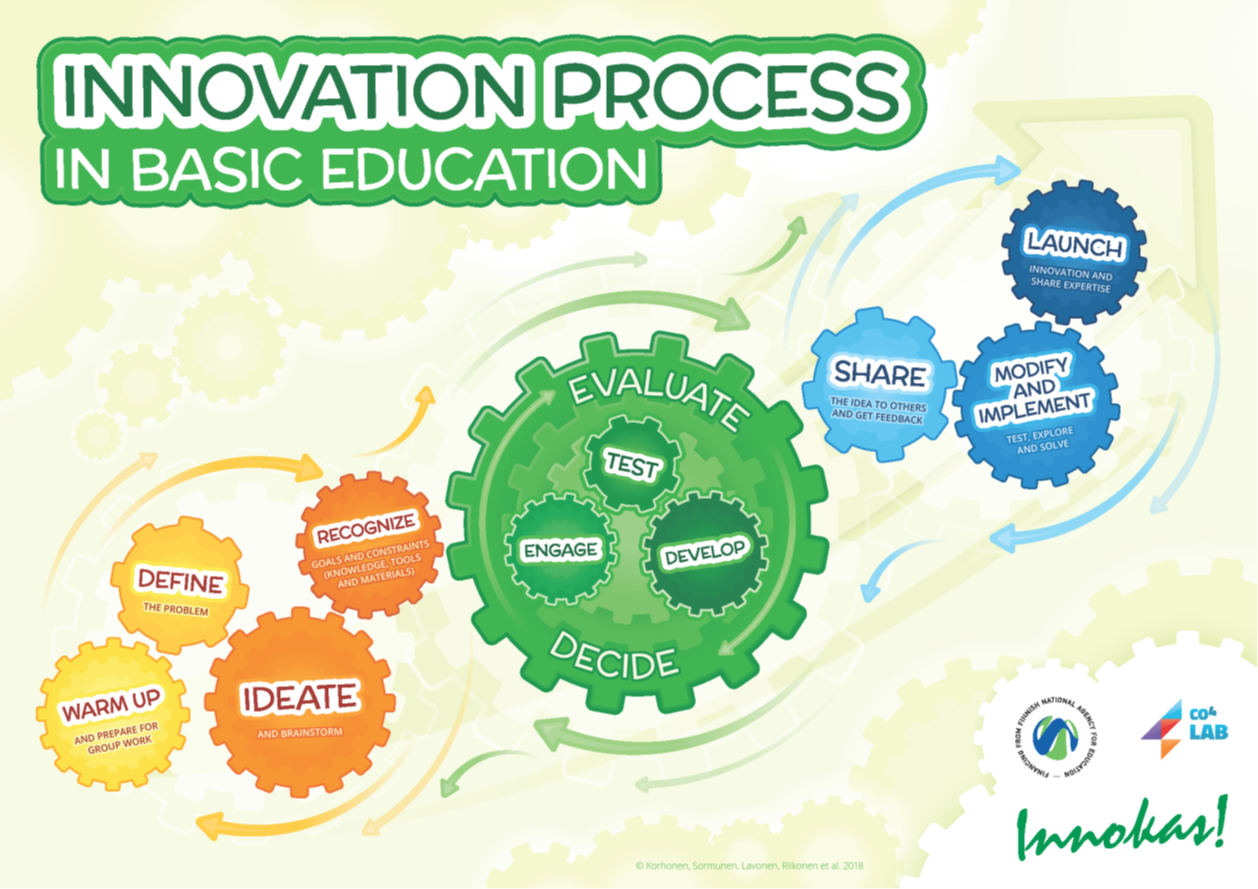
Innokas Network develops Innovation Education methods that support the learning of 21st Century Skills. The Innovation Process in Basic Education Poster outlines our thinking. Download the poster and print it for your learning space wall! Or, pick up your printed poster at our stand in events like Educa and ITK-days!
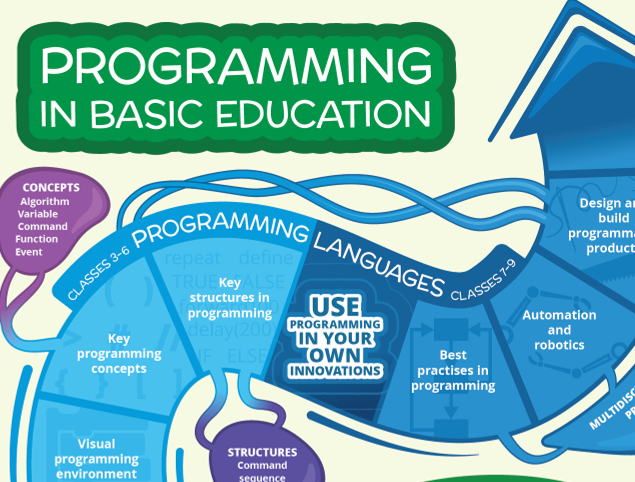
Download the Programming in Basic Education Poster and get to know the learning path for coding in the school! The poster is based on the new Finnish curriculum for basic education and summarizes over 10 years of Innokas Network development activity. Print one for your learning space wall or pick your printed poster at our stand in events like Educa and ITK-days!
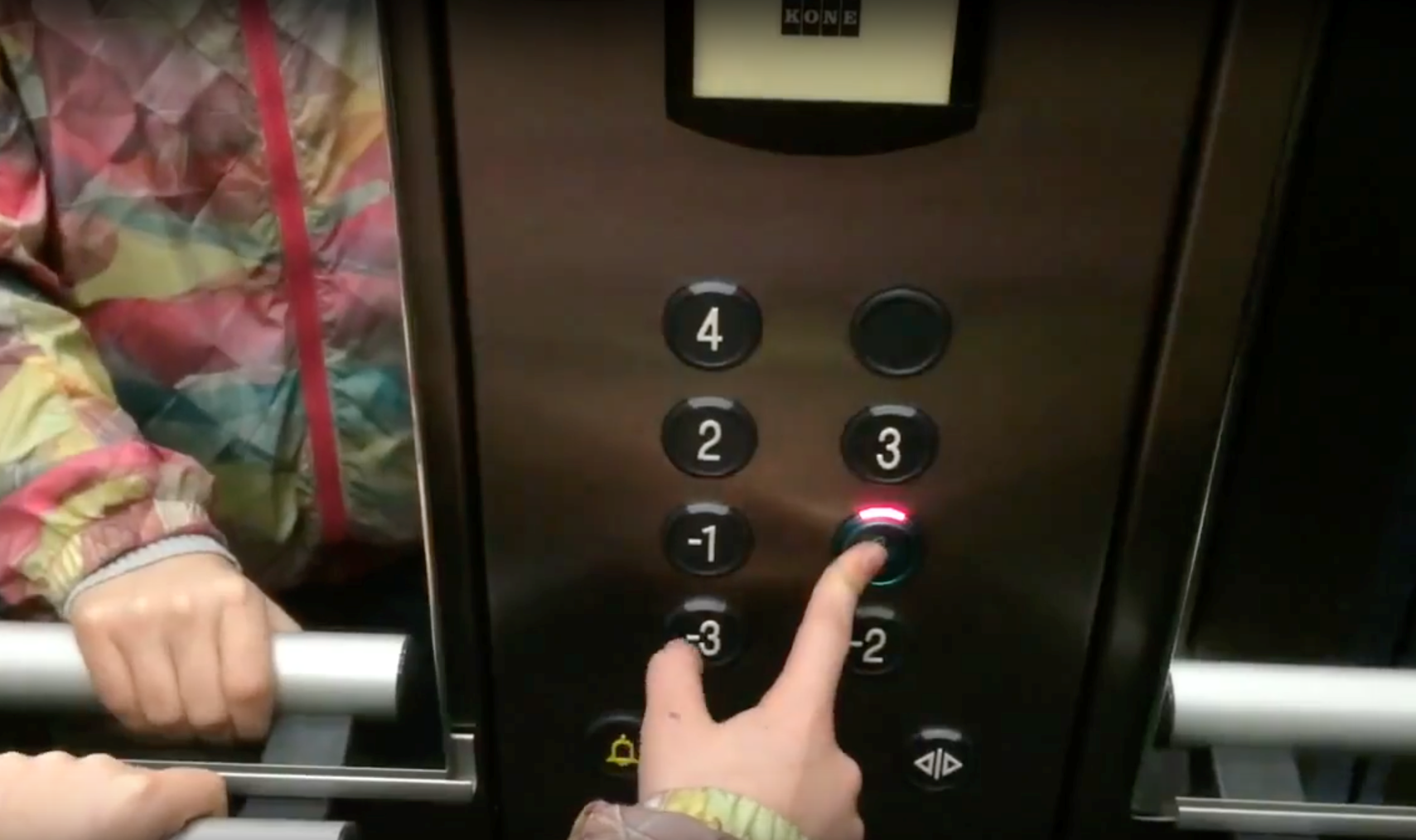
Using this material you will get to know machines that make use of automation and robotics. You will also learn to create programs by observing the built environment, use common programming concepts and innovate a device that makes use of programming and robotics.
This material consists of a teacher guide and a classroom presentation.
Innokas Network develops new ways to implement Innovation Education principles to support the learning of 21st century skills.
In this four-part video series, Professor Jari Lavonen from the Faculty of Educational Sciences at the University of Helsinki introduces the link between 21st century skills and Innovation Education, the scientific background of these concepts and their practical applications.
Innokas Network develops new ways to implement Innovation Education principles for the learning of 21st century skills. Below you will find three examples of actual Innovation Education projects implemented in Finnish schools. The three schools took part in the Fall 2017 Innokas challenge titled “Robots Build in the Future” and implemented these Innovation Education projects in their school as part of their challenge submission. You can read more about the Fall 2017 Innokas challenge here.
Project descriptions and videos
Huovila School: AT-helper. Watch the video and read the project description here.
Kalevala School: Rapi the Robot. Watch the video and read the project description here.
Innokas Network, in collaboration with the Co4Lab project funded by the Academy of Finland, develops ways to apply Innovation Education principles in the implementation of multidisciplinary learning modules.
On this video, Innokas Network coordinator Kati Sormunen explains the Multidisciplinary Learning Modules concept in the latest Finnish National Core Curriculum and provides guidance on how you can make use of innovation process when implementing these modules.
In this second part of the Tools for Teaching Programming video you’ll get to know text-based programming languages and various programming and robot kits you can use to support learning.
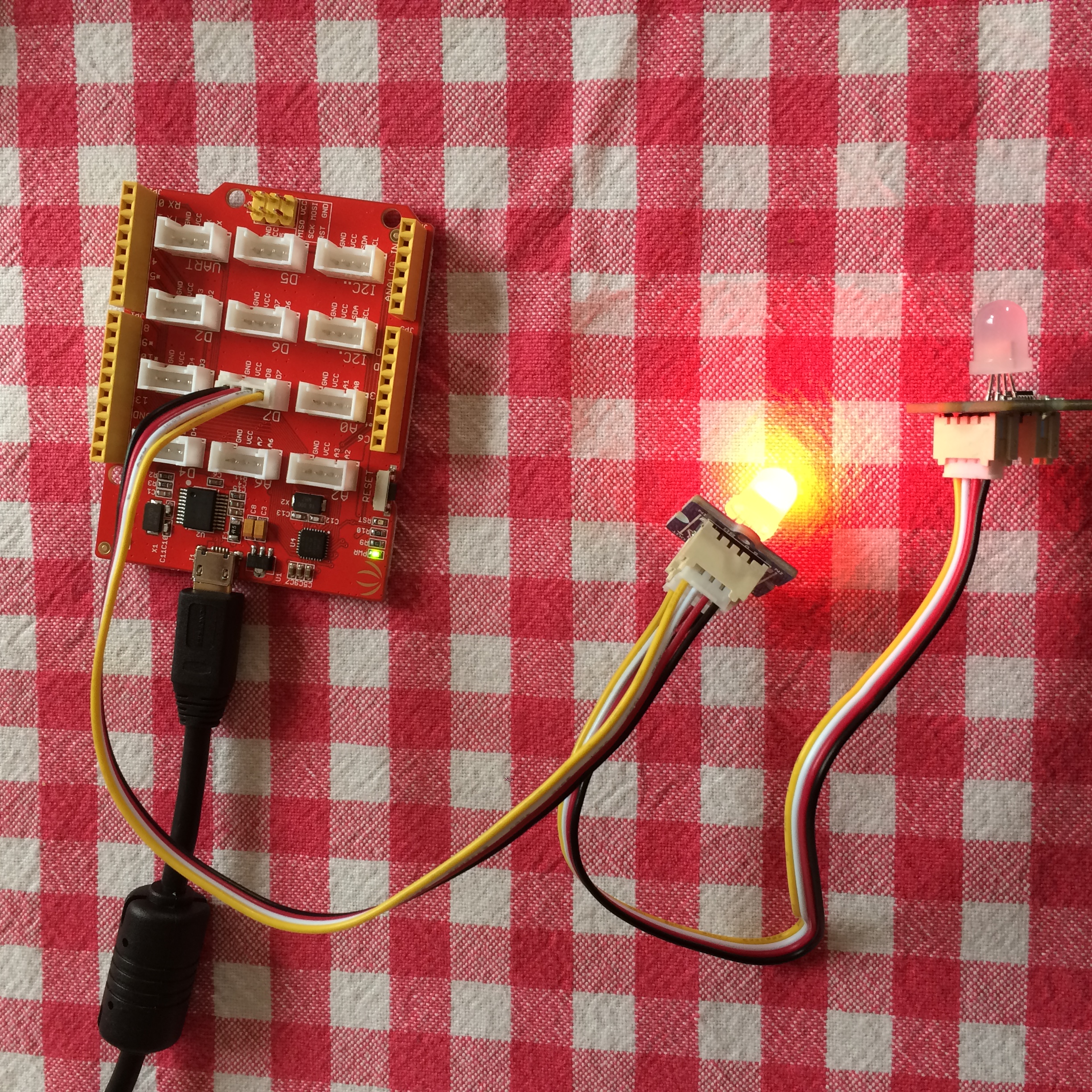
Get to know text-based programming using the C programming language and Arduino Grove.
The exercises in this material are based on the Seeduino Lotus board and Grove system parts that plug easily into the board. In the exercises you will learn for example how to program traffic lights. The material also contains hints for acquiring the hardware parts.
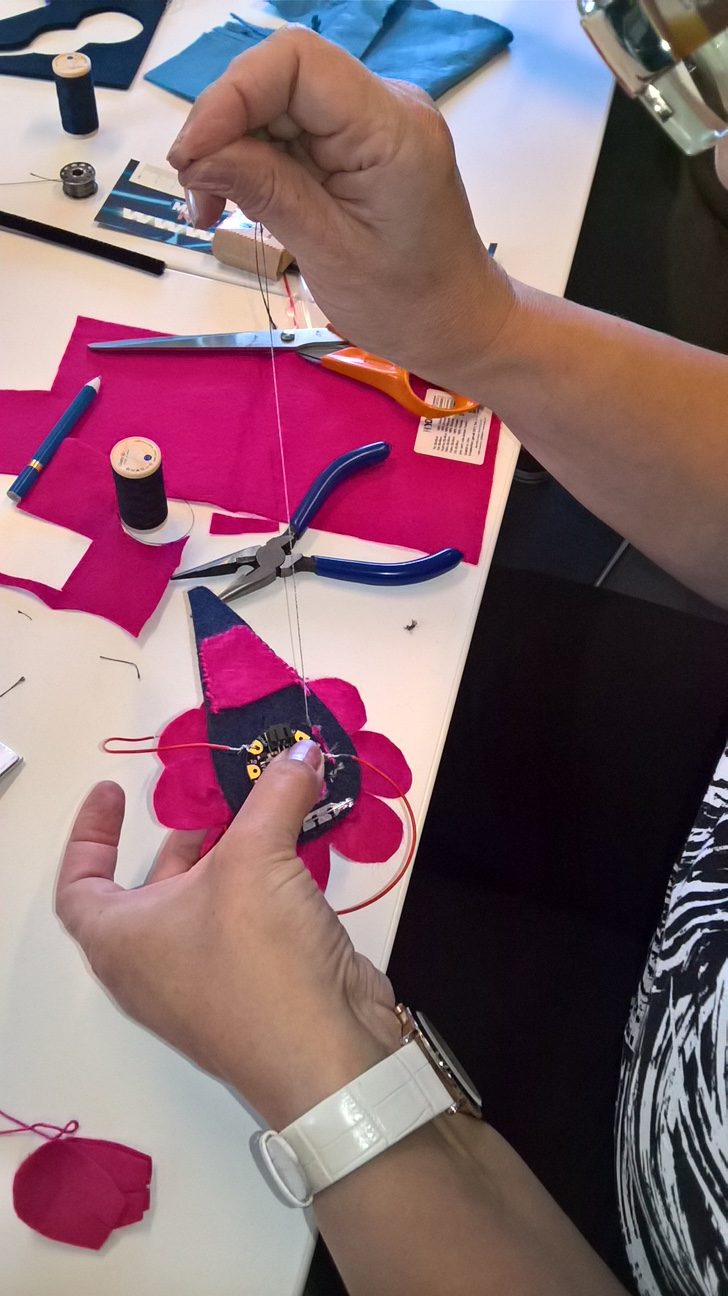
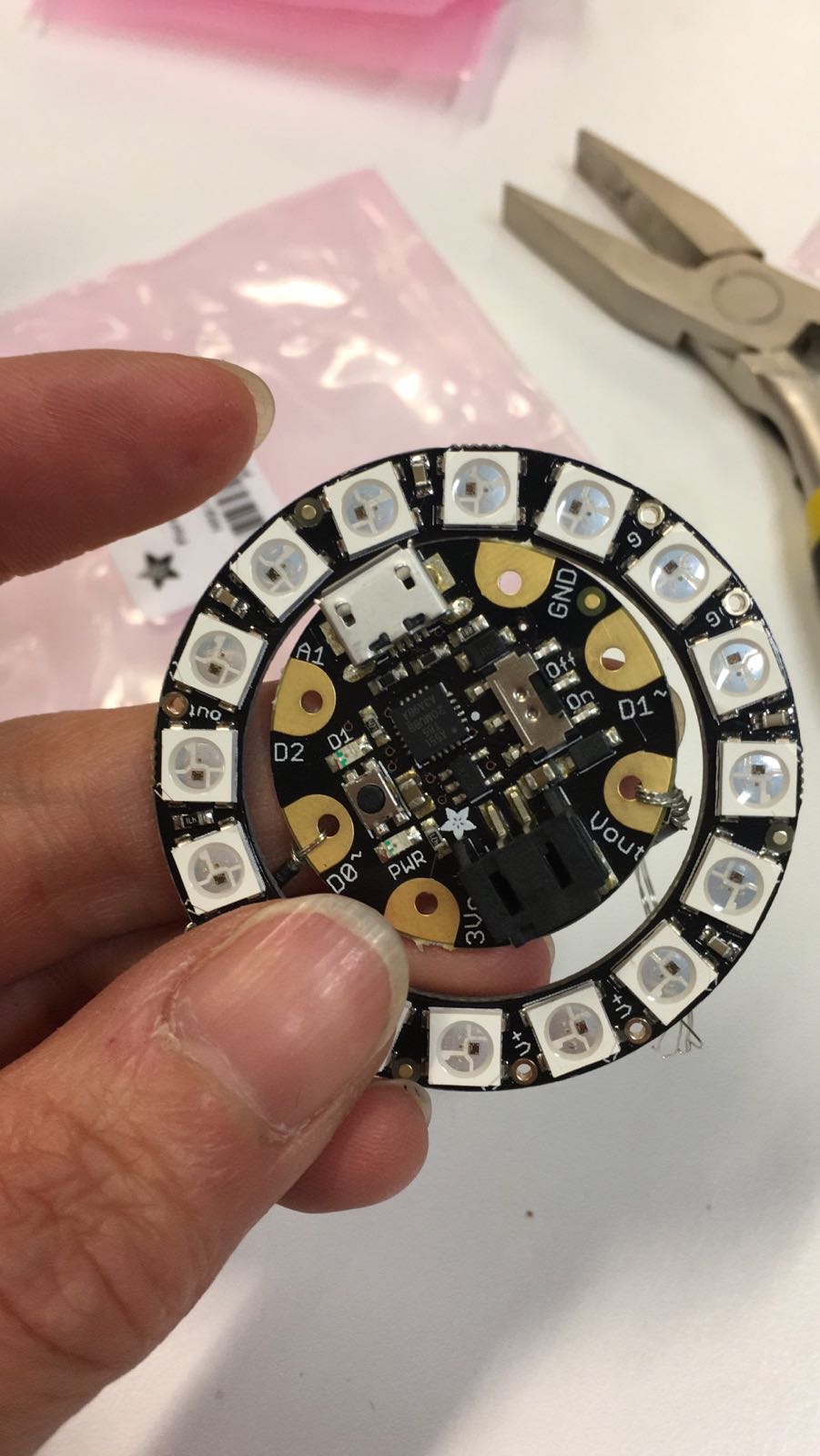
Get to know text-based programming with the C programming language and Adafruit Gemma.
The really small Adafruit Gemma board is specifically designed for various textile projects, or e-textiles. The material contains hints on how you can acquire the needed parts. Read more about Gemma here.