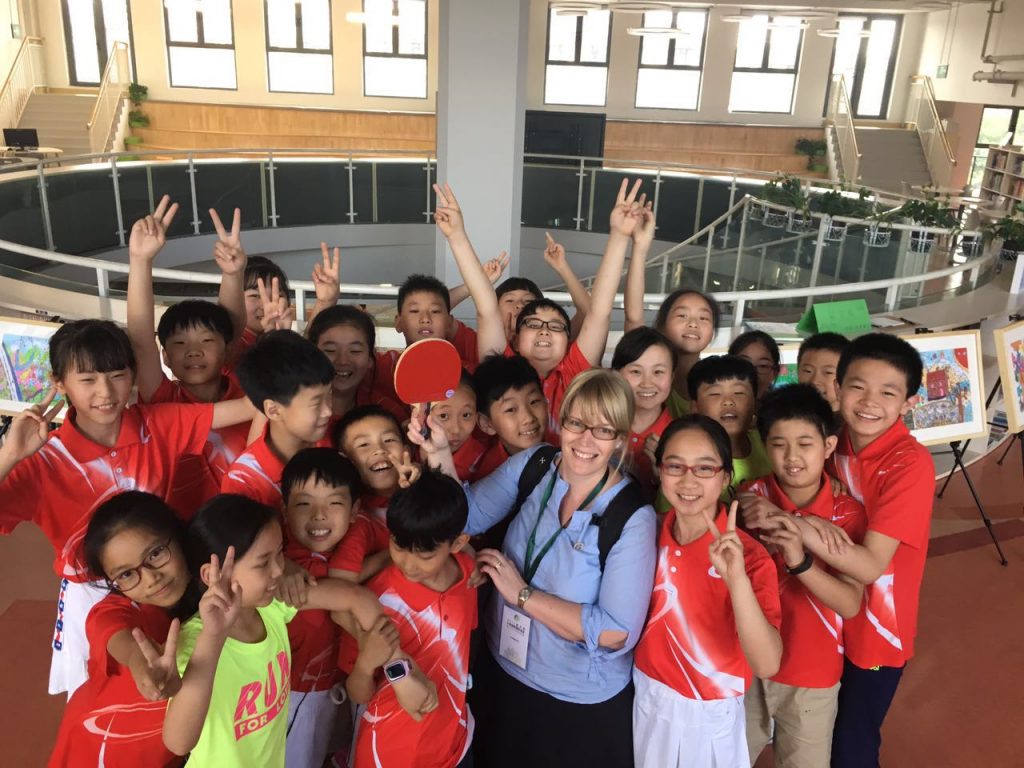
The Innokas network has collaborated with Chinese schools for several years. The collaboration has been part of the Global Innokas Project, funded by OPH. The teachers participating in the collaboration, Raini Sipilä (SYK, Helsinki) and Jaana Hekkanen, Minna Kangas, and Petri Korpi (Metsokangas School, Oulu), have worked on the material related to the collaboration with China. You can use the material to learn about Chinese schools, collaborative opportunities with Chinese schools, and the experiences of teachers on collaboration.
1. Basic information package: You can get an overview of Chinese schools and cooperative experiences with schools with the basic information package.
2. 2016 collaborative projects: Videos of the collaborative projects from spring 2016 compiles together the projects planned and implemented by Finnish and Chinese teachers in collaboration. In the beginning of spring 2016, Finnish teachers began working with a team of two instructors, with whom they designed a joint project. Both teachers implemented the project with their own students during the spring 2016. In June 2016, the Finnish teachers traveled to China for a conference, where they met the pair of Chinese team members. The Finland-China pairs of teachers took part of the project to Chinese students as part of the conference program.
3. 2016 GEC Conference: This video from the Global Educational Community (GEC) conference in Summer 2016 walks you through the event co-organized by Finnish and Chinese organizers. Projects designed and implemented by pairs of Finnish and Chinese teachers formed a key part of the conference program.
4. The Chinese School in Childrens Eyes: In this video Chinese students describe their school day and their favorite subjects.
5. Visiting Chinese Schools: These videos bring you to a visit to Chinese schools – and see the school buildings and learning environments in the new and old campus of the Zhongguancun NO.3 Primary School in Beijing.
6. Teachers’ Experiences on Collaboration: In this video, Jaana Hekkanen and Minna Kangas describe their experiences on Innokas Network China Collaboration.
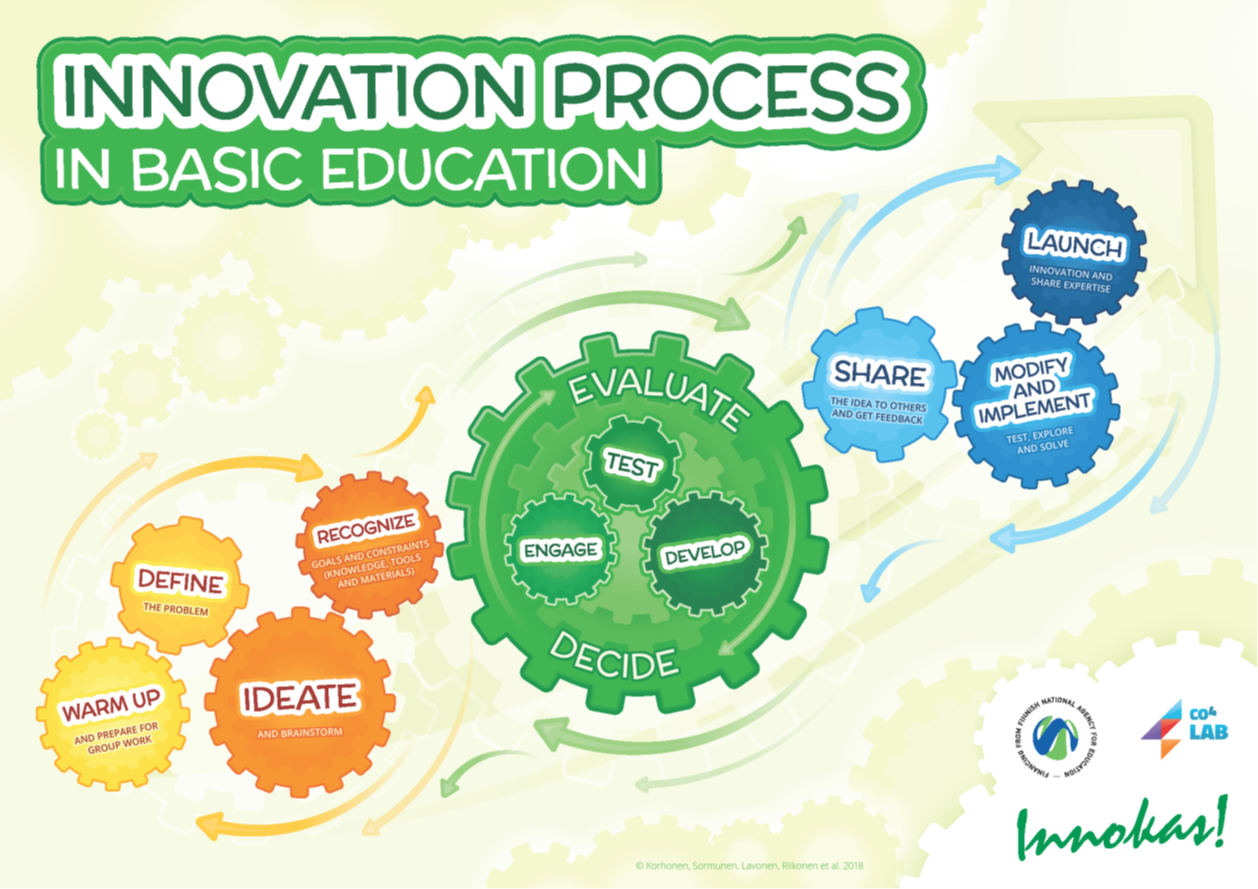
Innokas Network develops Innovation Education methods that support the learning of 21st Century Skills. The Innovation Process in Basic Education Poster outlines our thinking. Download the poster and print it for your learning space wall! Or, pick up your printed poster at our stand in events like Educa and ITK-days!
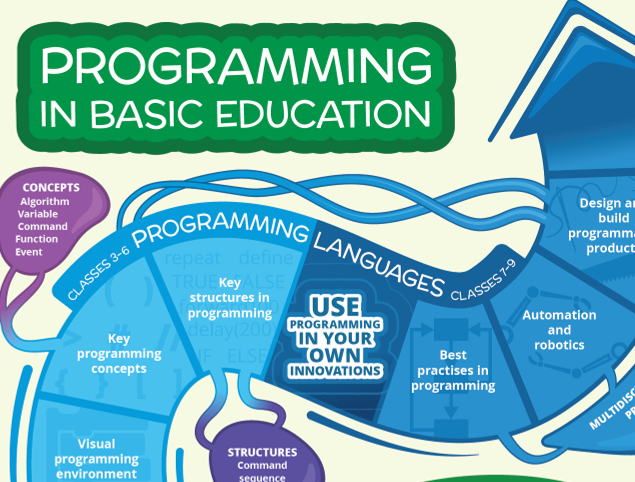
Download the Programming in Basic Education Poster and get to know the learning path for coding in the school! The poster is based on the new Finnish curriculum for basic education and summarizes over 10 years of Innokas Network development activity. Print one for your learning space wall or pick your printed poster at our stand in events like Educa and ITK-days!
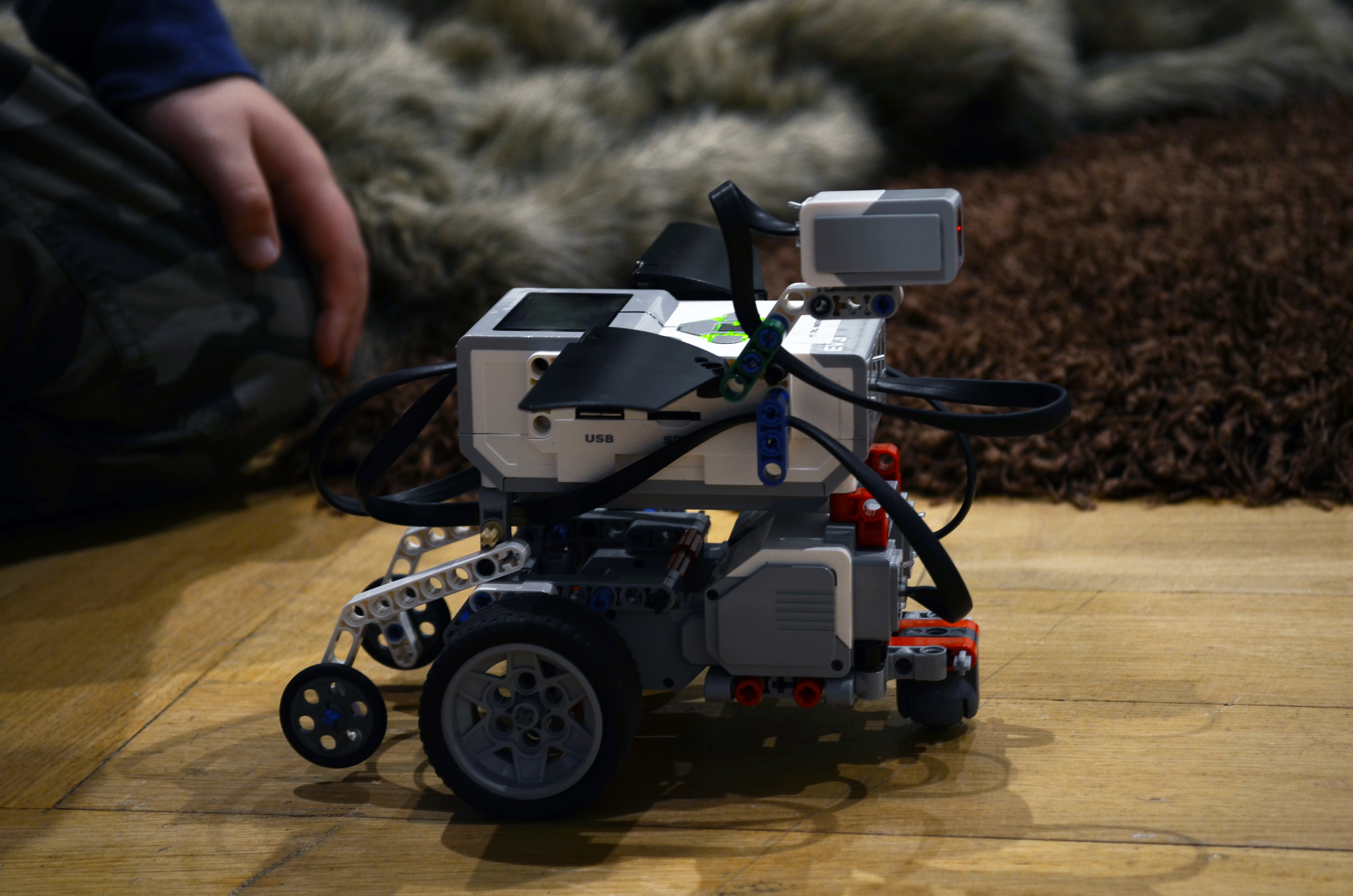
This material gets you started with the Lego EV3 hardware and programming. We’ll start with the parts of a robot and continue through launching the program and creating simple commands. The exercises in the material get harder gradually, with a few open tasks presented at the end.
The material follows the exercise structure in the Innokas Network “Are you interested in coding and robotics?” training.
Using this material you will get to know machines that make use of automation and robotics. You will also learn to create programs by observing the built environment, use common programming concepts and innovate a device that makes use of programming and robotics.
This material consists of a teacher guide and a classroom presentation.
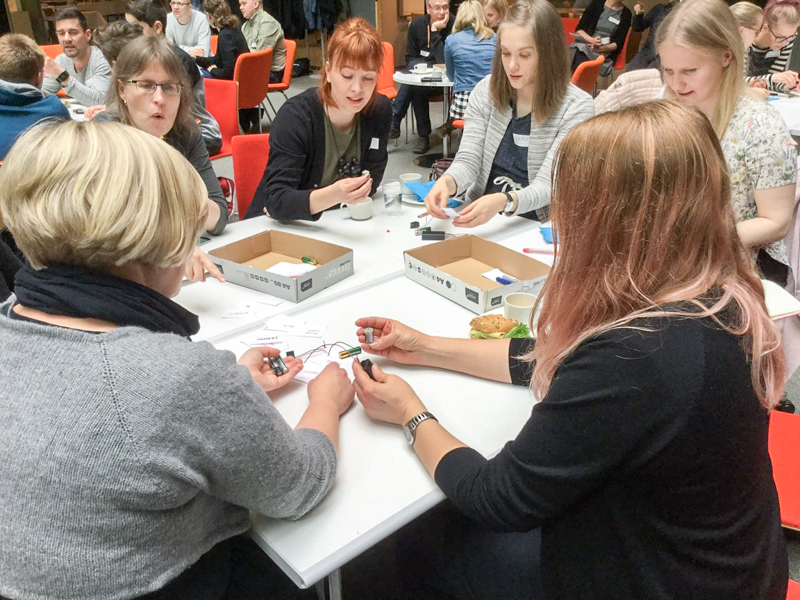
Innokas Network develops new ways to implement Innovation Education principles to support the learning of 21st century skills.
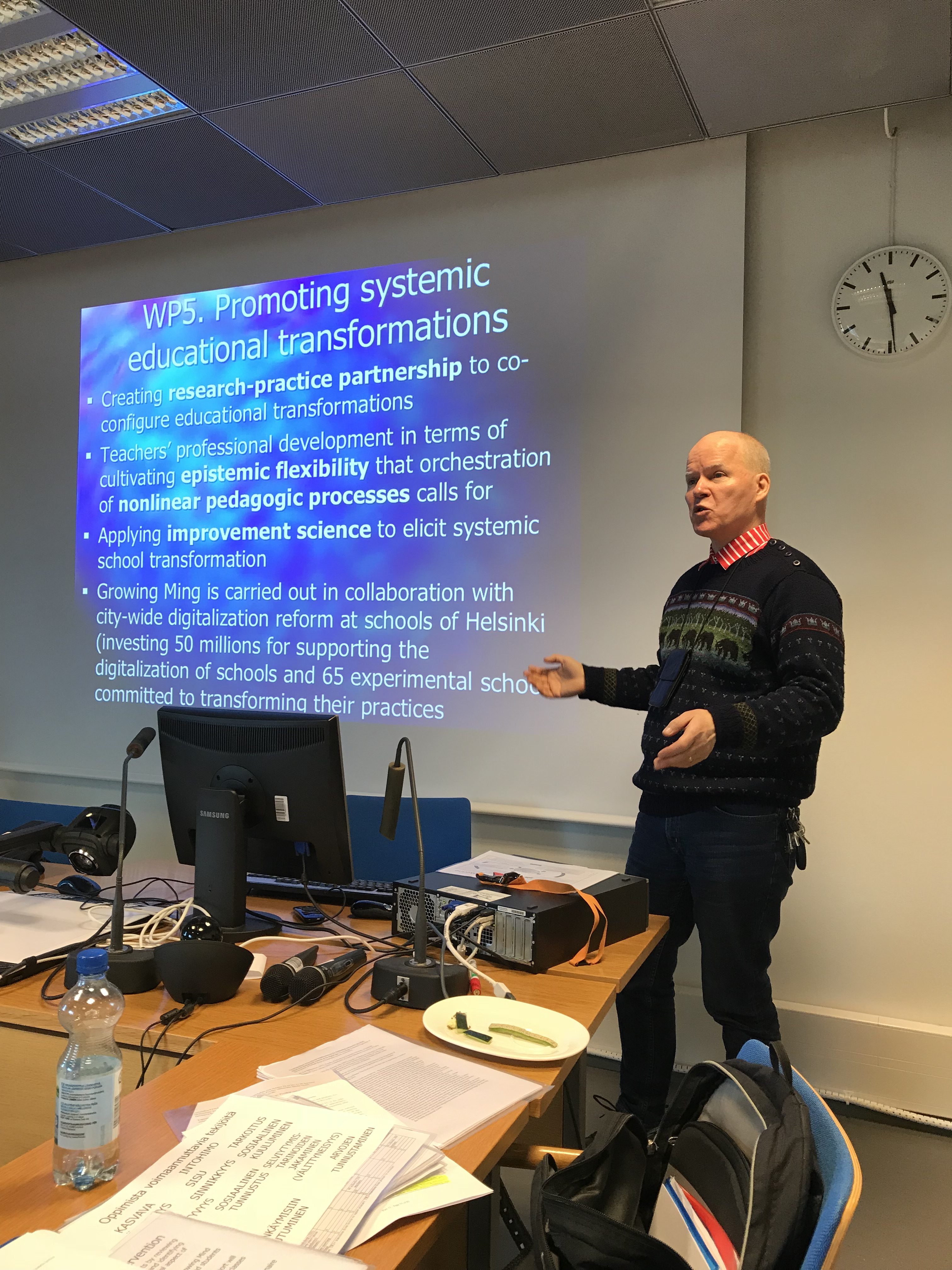
In this four-part video series, Professor Jari Lavonen from the Faculty of Educational Sciences at the University of Helsinki introduces the link between 21st century skills and Innovation Education, the scientific background of these concepts and their practical applications.
Innokas Network develops new ways to implement Innovation Education principles for the learning of 21st century skills. Below you will find three examples of actual Innovation Education projects implemented in Finnish schools. The three schools took part in the Fall 2017 Innokas challenge titled “Robots Build in the Future” and implemented these Innovation Education projects in their school as part of their challenge submission. You can read more about the Fall 2017 Innokas challenge here.
Project descriptions and videos
Huovila School: AT-helper. Watch the video and read the project description here.
Kalevala School: Rapi the Robot. Watch the video and read the project description here.
Innokas Network, in collaboration with the Co4Lab project funded by the Academy of Finland develops ways to implement the Innovation Education approach as part of multidisciplinary learning modules.
In this four part video series Professor Kai Hakkarainen from the Faculty of Educational Sciences at the University of Helsinki introduces knowledge creation processes and learning support with technology in the context of multidisciplinary learning modules. In addition, he discusses the assessment aspect of multidisciplinary learning modules.
Part 1, Knowledge Creation in Multidisciplinary Learning Modules
Part 2, Supporting Learning with Digital Technology
Part 3, The Role of Assessment in Multidisciplinary Learning Modules
Part 4, Assessment Practices for Supporting Learning and Motivation
Innokas Network, in collaboration with the Co4Lab project funded by the Academy of Finland, develops ways to apply Innovation Education principles in the implementation of multidisciplinary learning modules.